

Carpet Mold Inspection
Looking beneath the surface to find out where moisture and growth actually are.
Learn about carpet mold inspection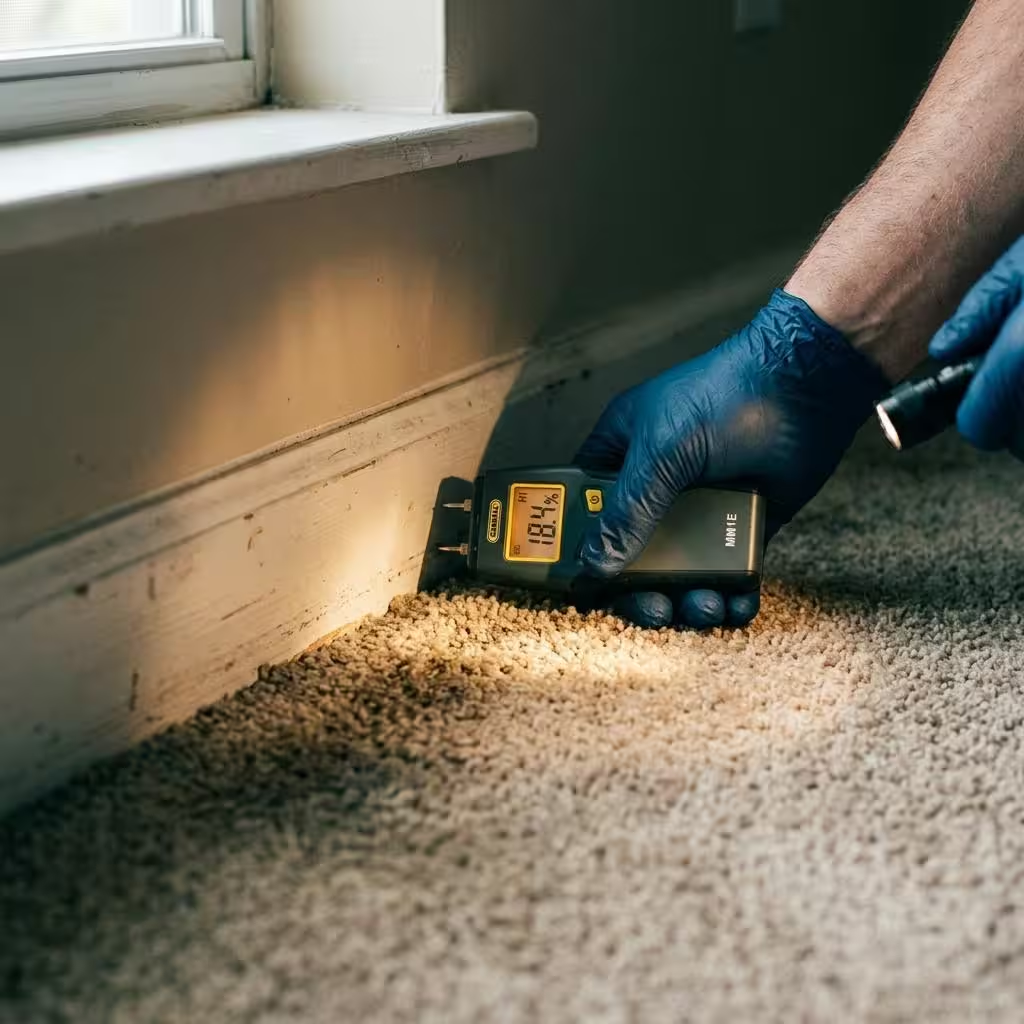
Carpet mold service
Carpet odor removal starts with asking why the smell is there. Damp padding, a hidden leak, ordinary soiling, or contamination can each need a different response. A musty odor after water damage deserves a moisture assessment rather than a fragrance applied to the top of the carpet.
A carpet can look clean while its backing or pad remains affected. EPA identifies the underside of carpet and padding as possible hidden mold locations. Repeated deodorizing without checking those layers can leave the reason for the smell unresolved.
Not every odor is mold, and an odor alone does not identify a mold species or measure a health risk. The water history, material condition, and location of the smell help guide the next steps. A source based plan avoids both unsupported alarm and false reassurance.
Mention rain, humid weather, a recent leak, or a previous cleaning appointment if the smell changes with those events.
Carpet edges, backing, padding, and the adjoining floor may need assessment rather than treating only the visible surface.
Ordinary soil and retained contamination are different problems. The material condition determines the appropriate response.
A lasting plan includes the leak, damp floor, or indoor humidity issue where one is present.
A fragrance can alter what you notice without removing affected material. An odor reducing product is not evidence of successful mold remediation. Ask what is causing the odor and how that source will be addressed.
Recurring mustiness can point to retained moisture or hidden affected layers. More cleaning is not automatically the right next step. Reviewing the earlier water event and drying process can be more useful than repeating a surface treatment.
These resources explain the general principles and limitations discussed here. The scope for your property depends on its actual conditions.
Call (855) 661 4275 to describe your situation and confirm service availability for your location. Ask what is included before deciding on the next step.
Monday to Saturday, 8am to 7pm
Carpet mold situations often overlap. These services are closely connected to carpet odor removal, and each has its own page with details specific to that problem. You can also return to the full list of carpet mold removal services.
Looking beneath the surface to find out where moisture and growth actually are.
Learn about carpet mold inspection
Replacement of affected carpet underlay after removal, moisture correction, and subfloor drying.
Learn about carpet underlay replacement
An honest look at when cleaning is realistic and when carpet has gone past saving.
Learn about moldy carpet cleaning