
 01
01Carpet Mold Removal
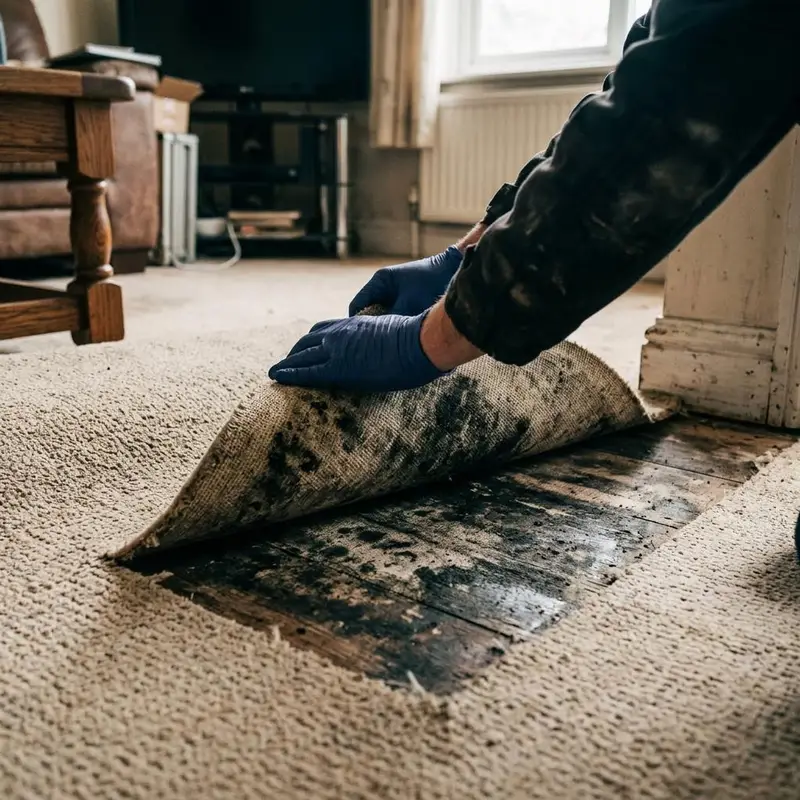
Removal of mold affected carpet when growth has reached the backing, the pad, or both.
Learn about carpet mold removal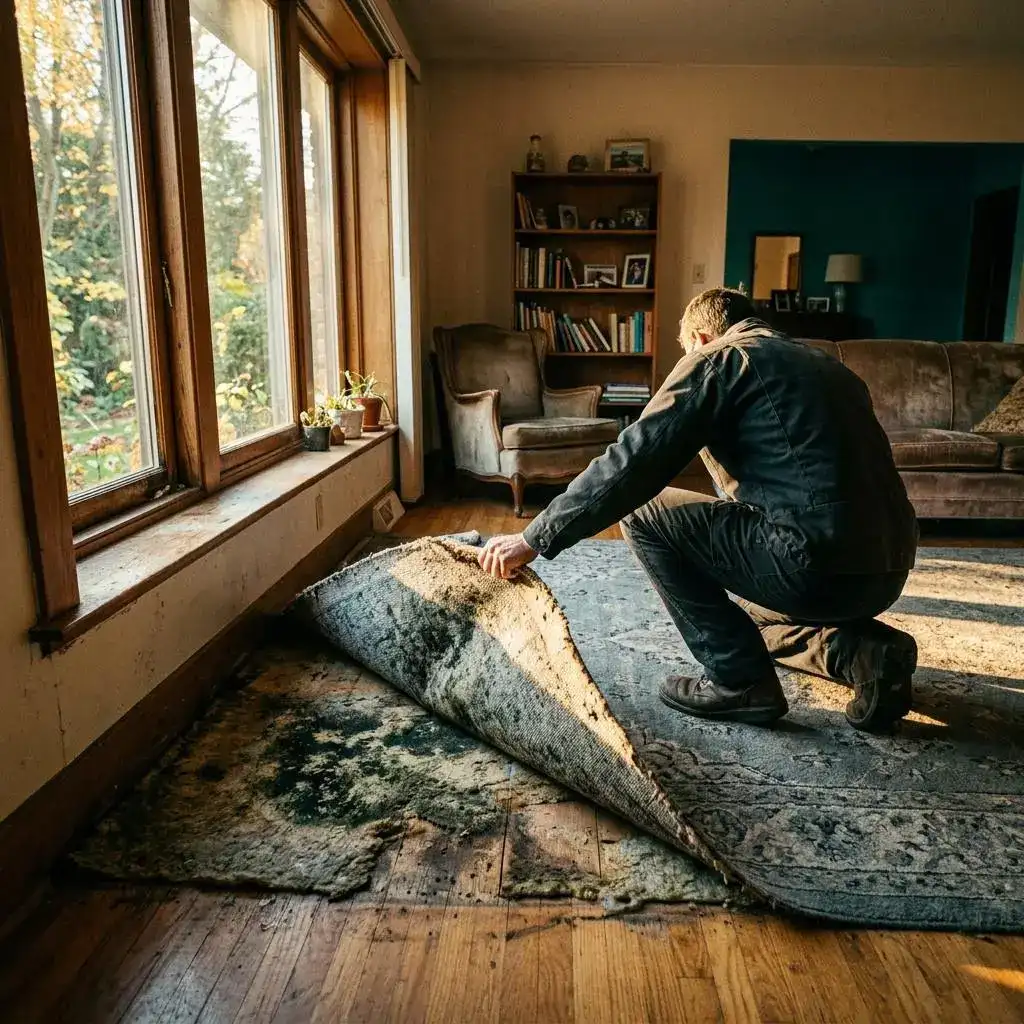
Phones open Monday to Saturday, 8am to 7pm
That musty smell has a source. Mold on carpet usually grows where you cannot see it, on the backing and in the pad. One call starts a clear plan: find the moisture, remove what is affected, and dry the space properly.
Homeowners, landlords, and facility managers: call to confirm availability for your location.
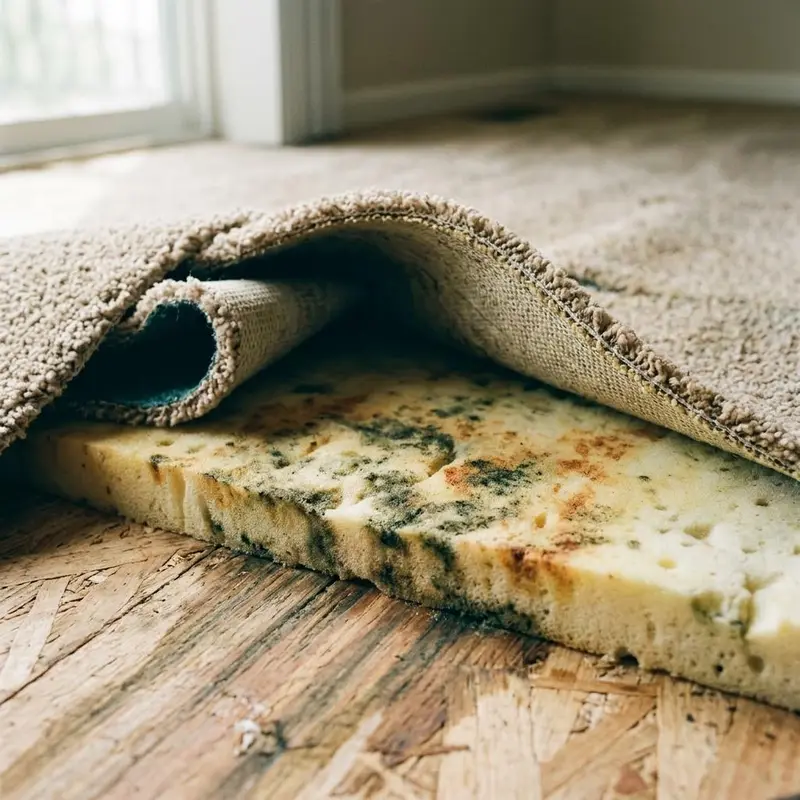
Mold can grow on carpet backing and padding even when the top fibers look clean.
The color of a mold cannot tell you its species. Identification takes sampling and lab analysis.
If the water source is not fixed, mold will most likely return after cleanup.
Carpet and pad with mold growth may need to be removed and discarded rather than cleaned.
The problem under your feet
Carpet is built in layers: face fibers, backing, then a soft pad that absorbs water like a sponge. When a pipe drips behind a wall, a basement slab wicks up dampness, or a storm pushes rain under a door, that pad can stay wet for weeks while the surface looks dry.
EPA guidance is consistent on the essentials. Mold can grow on the underside of carpet and padding. If the water problem is not fixed, mold will most likely return after cleanup. And porous materials like carpet and pad with mold growth may need to be removed and thrown away.
That is why our carpet mold removal services start with the source, not a spray bottle. Whether you are searching for carpet mold removal near me after a leak, or managing a building with a musty corridor, the first step is the same: a phone call that turns worry into a plan.
EPA drying window
24 to 48 hours
Dry water damaged materials within this window to help prevent mold growth.
Featured services
Every situation is different: a single stained bedroom corner, a flooded basement family room, a hotel wing with musty corridors. Below are eight of our most requested services. Each has its own page explaining the problem, the scope of work, and the steps involved, so you can understand your situation before you call.
01Removal of mold affected carpet when growth has reached the backing, the pad, or both.
Learn about carpet mold removal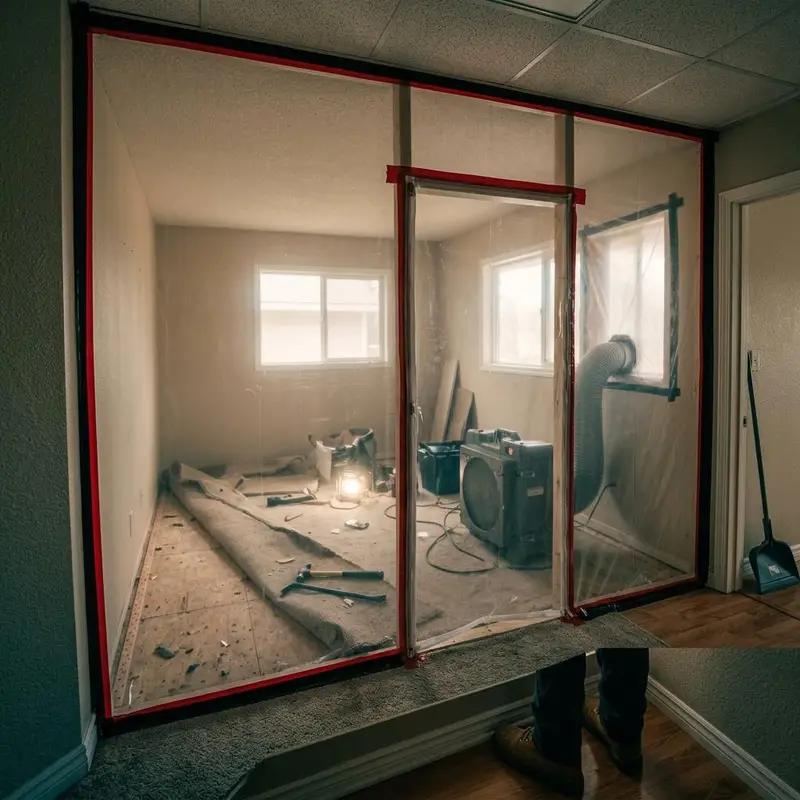 02
02A full process that pairs mold removal with moisture correction so growth does not return.
Learn about carpet mold remediation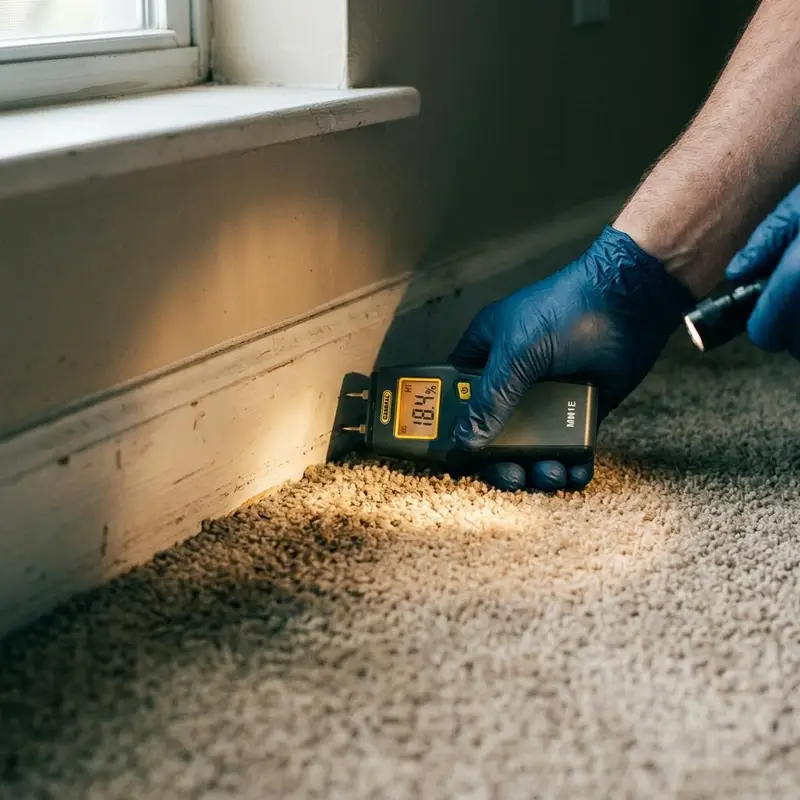 03
03Looking beneath the surface to find out where moisture and growth actually are.
Learn about carpet mold inspection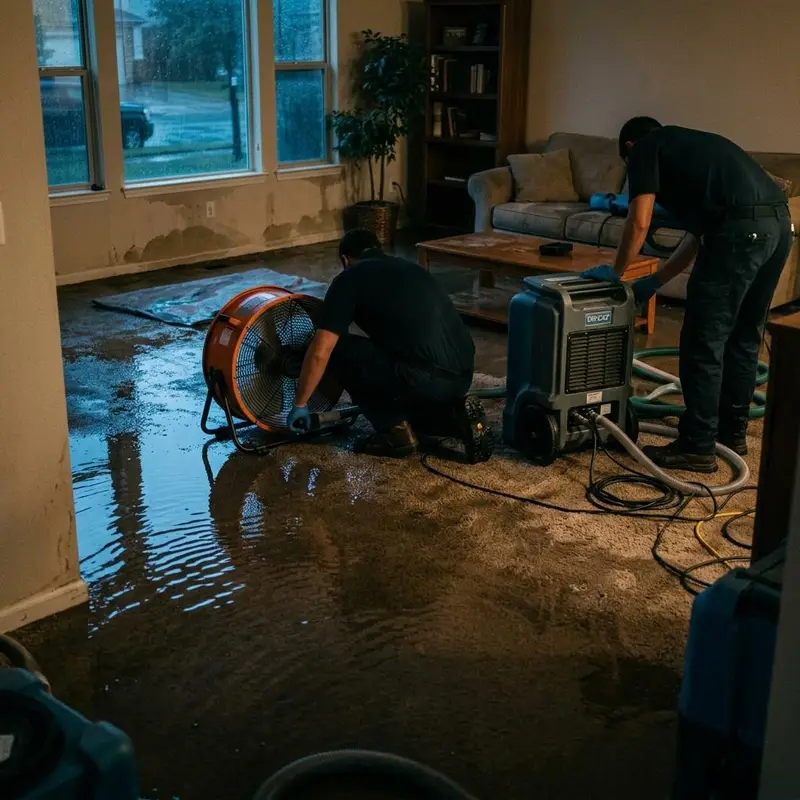 04
04For sudden water events where every day of wet carpet raises the risk of growth.
Learn about emergency carpet mold removal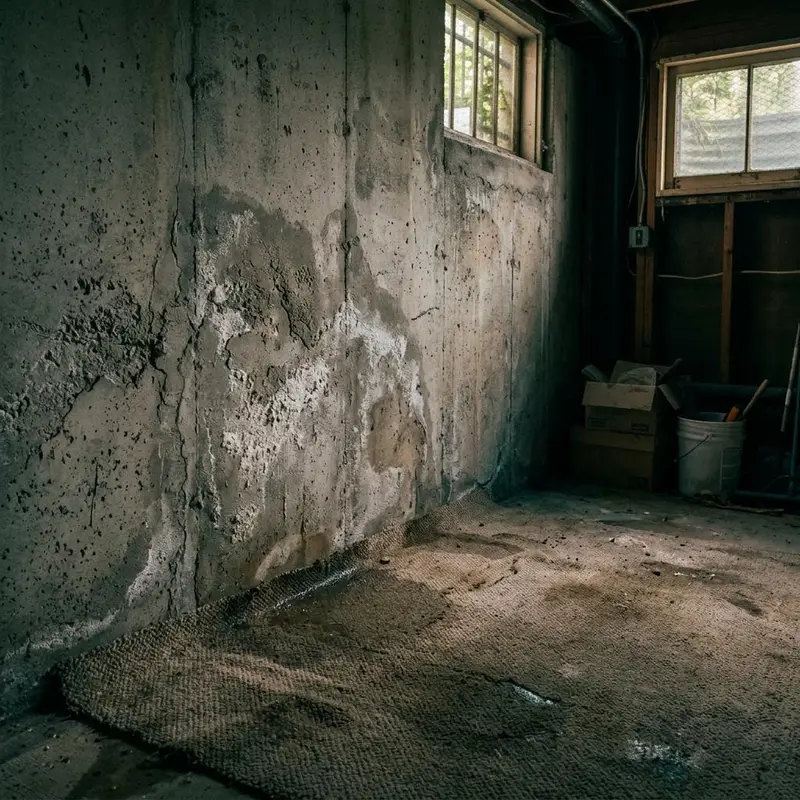 05
05The most common carpet mold location, where slab moisture and humidity work together.
Learn about basement carpet mold removal06The pad soaks up water and holds it, which makes it the most common hiding place for mold.
Learn about carpet padding mold removal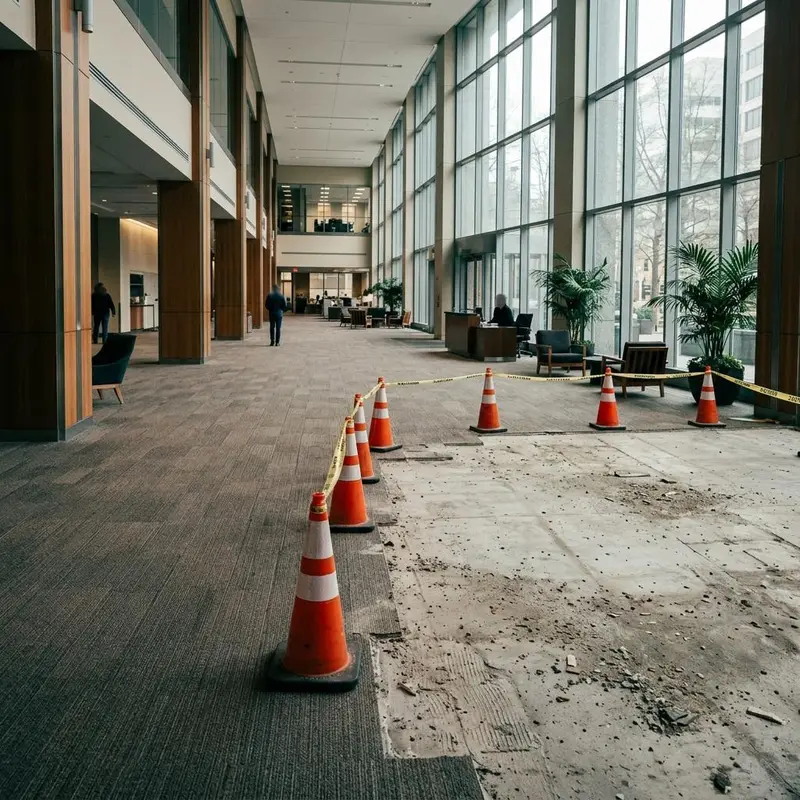 07
07Carpet mold removal for businesses where downtime, occupants, and records all matter.
Learn about commercial carpet mold removal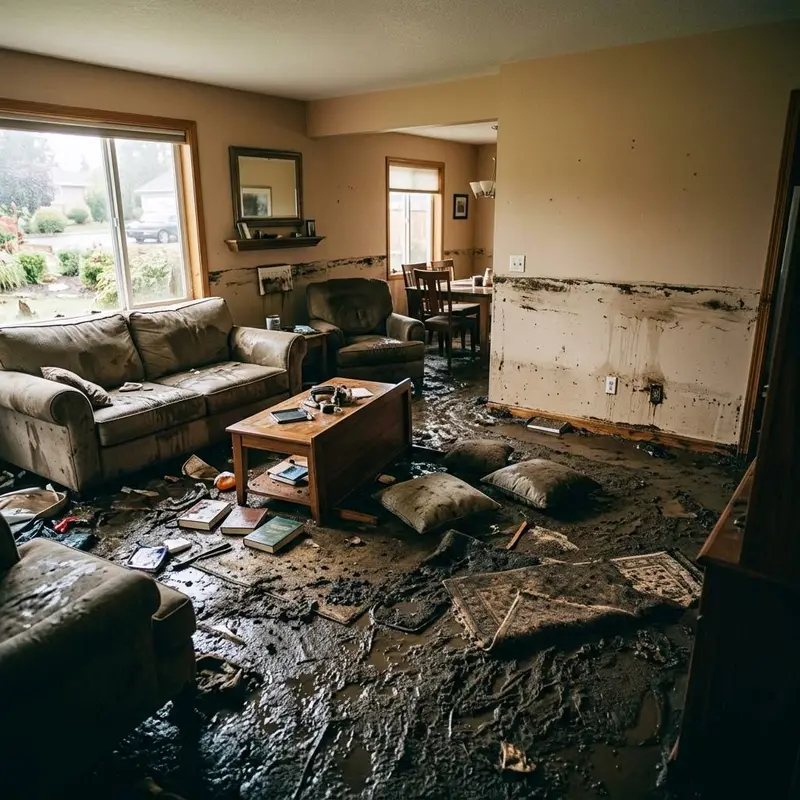 08
08Floodwater carpet is usually contaminated, which changes what can be kept.
Learn about flood damaged carpet remediationHow it works
The process below reflects widely accepted mold guidance rather than a magic product. The order matters: removing carpet before the leak is fixed simply invites the same growth back under the new flooring.
Tell us where the carpet problem is, how long it has been there, and what water event may have started it.
Mold follows water. The leak, flood, or humidity source has to be identified before anything else makes sense.
Carpet and pad with mold growth are porous and often need to come out, handled to keep spores out of clean rooms.
The subfloor and surrounding materials are dried so new flooring goes down on a sound, dry surface.
Pulling up moldy carpet and dragging it through the house can spread spores into clean rooms. Call (855) 661 4275 first and talk through a safer plan.
Monday to Saturday, 8am to 7pm
Who calls us
Homeowners call about bedrooms, basements, and closets beside bathrooms. Landlords call at move out. Facility teams call about offices, schools, and hotels. Everyone gets the same straight answers.
Residential and basement carpet mold, black mold on carpet backing, and area rugs with mildew.
Residential carpet mold removalRental property and apartment carpet remediation between tenancies or after a tenant report.
Rental property remediationCommercial and office carpet mold removal planned around staff, customers, and hours.
Commercial carpet mold removalGuest rooms, corridors, and classrooms where occupants and schedules shape the work.
School carpet mold removalQuick answers
From the blog
Why Carpet Mold Keeps Coming Back After CleaningIf the smell returns weeks after cleaning, the water behind it is still there. Here is where to look.Wet Carpet After a Leak: What to Do in the First 48 HoursThe EPA drying window is 24 to 48 hours. These are the sensible steps to take inside it.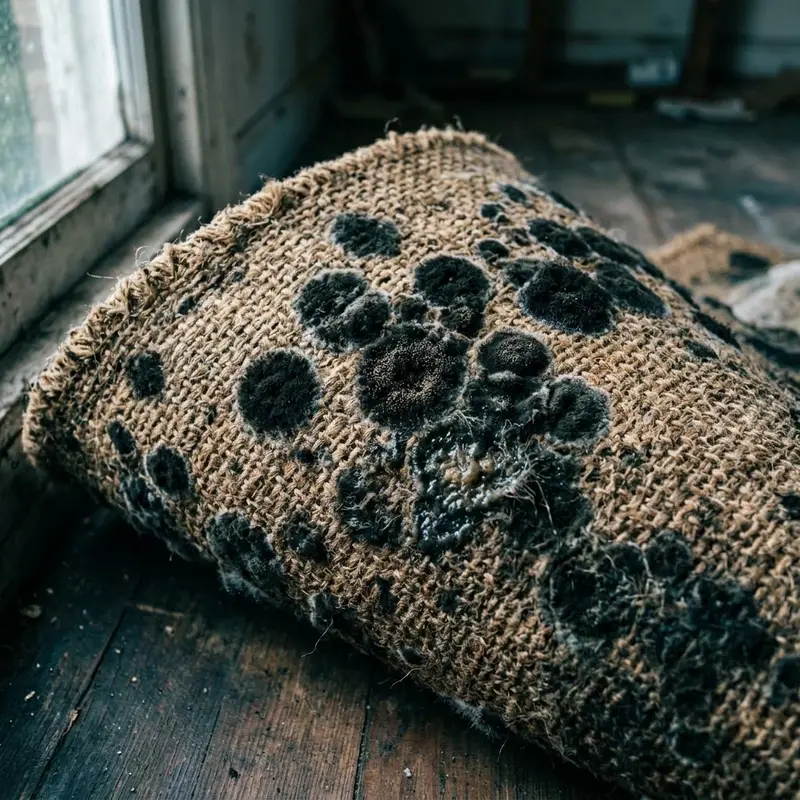 What Mold Color on Carpet Can and Cannot Tell YouDark spots are alarming, but color is not identification. Here is what actually guides the response.
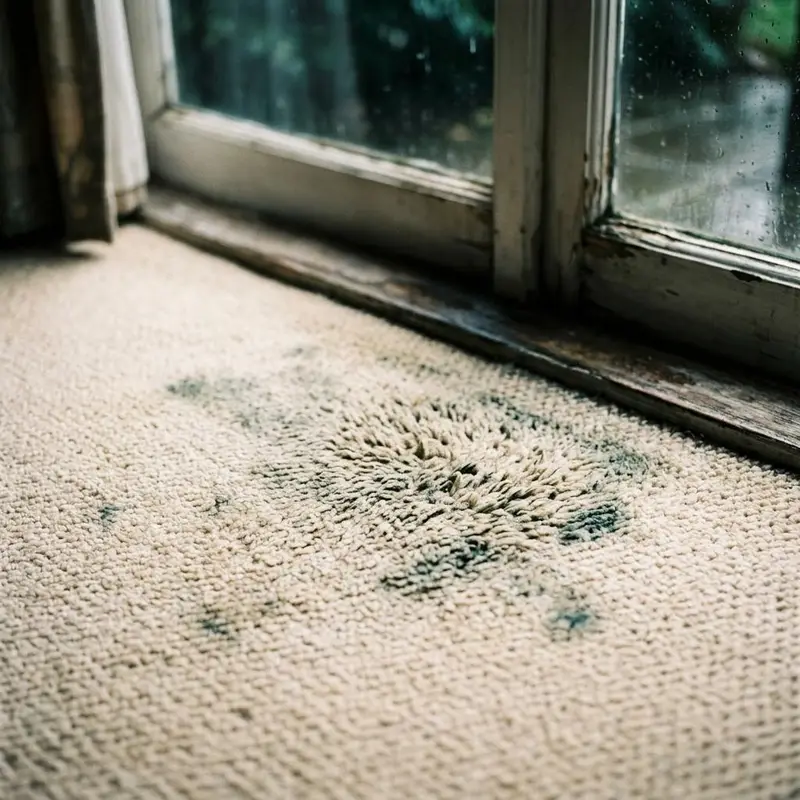 Clean or Replace Moldy Carpet: How the Decision Gets MadeFour questions decide whether moldy carpet is worth saving. None of them are about the brand of cleaner.
Share your property location when you call and we will tell you directly whether carpet mold removal services are available for your area. How service areas work.
One call to describe what you see is the fastest way to a clear next step for your home or property.
Monday to Saturday, 8am to 7pm