

Carpet Mold Inspection
Looking beneath the surface to find out where moisture and growth actually are.
Learn about carpet mold inspection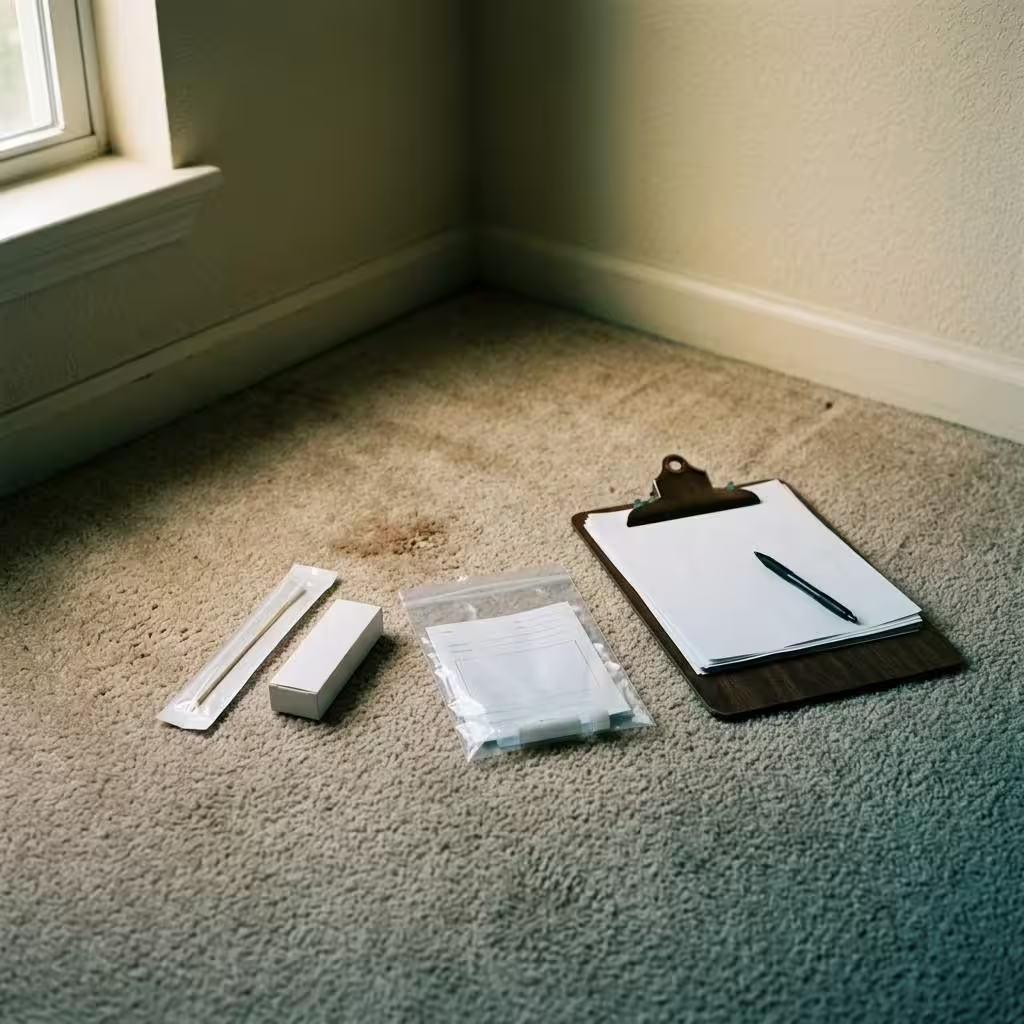
Carpet mold service
Indoor air quality testing covers different measurements for different concerns. A suspected carpet mold problem does not automatically require every test marketed for indoor air. The useful starting point is the question the assessment should answer, along with inspection of moisture, visible growth, and affected materials.
EPA says sampling is usually unnecessary when visible mold growth is present. Removing affected material and correcting the moisture source should not depend on waiting for a routine air test to confirm what is already visible.
Air samples represent particular conditions and need careful interpretation. EPA has not established federal limits for mold or mold spores, so a result cannot prove compliance with a universal federal indoor mold standard. Mold sampling also does not measure every possible indoor air pollutant.
Explain whether the concern is hidden growth, a recurring odor, cleanup documentation, or a different indoor air issue.
A visual and moisture assessment can identify information that a single air sample would not provide.
Where sampling is appropriate, methods and sample locations should fit the question. Confirm who performs the work and interprets it.
Findings are considered with the building history and inspection. A number alone should not become an unsupported safe or unsafe label.
Inspection looks for moisture, damaged materials, and visible or suspected growth. Testing collects samples or measurements to answer a particular question. Both need a defined scope, and neither automatically includes removal, drying, or repairs.
Confirm who conducts and interprets sampling, whether a written report is included, and whether the assessment is separate from the proposed remediation. Ask what decisions the findings can support and what they cannot establish.
These resources explain the general principles and limitations discussed here. The scope for your property depends on its actual conditions.
Call (855) 661 4275 to describe your situation and confirm service availability for your location. Ask what is included before deciding on the next step.
Monday to Saturday, 8am to 7pm
Carpet mold situations often overlap. These services are closely connected to indoor air quality testing, and each has its own page with details specific to that problem. You can also return to the full list of carpet mold removal services.
Looking beneath the surface to find out where moisture and growth actually are.
Learn about carpet mold inspection
Sampling for situations where identifying the mold or confirming results is useful.
Learn about carpet mold testing
A clear distinction between air filtration and chemical application within an appropriate cleanup plan.
Learn about fogging and air scrubbing