

Hot Water Carpet Extraction
A cleaning method for suitable carpet, with a clear distinction between soil removal and mold remediation.
Learn about hot water carpet extraction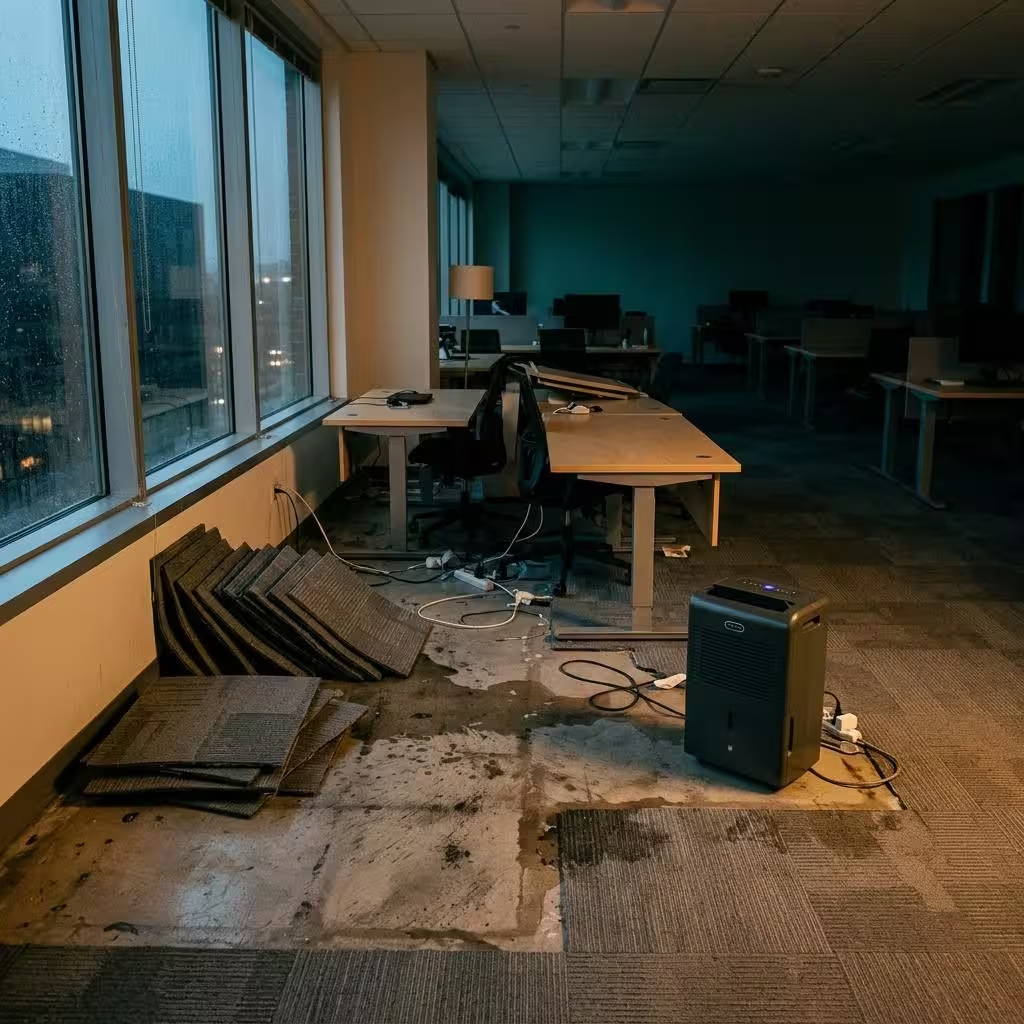
Carpet mold service
Low moisture carpet treatment describes cleaning approaches that use less added liquid than conventional wet cleaning. Depending on the carpet and product, this can include encapsulation or absorbent compound methods. Using less water can be useful for suitable carpet, but it does not remove the need to assess mold, contaminated padding, or moisture coming from below.
Repeatedly wetting a carpet with an unresolved moisture problem can complicate drying. A lower moisture cleaning approach may suit ordinary maintenance, but a musty carpet after a leak is not automatically a maintenance issue. The backing, pad, and subfloor need consideration.
A product described as dry or low moisture does not reach every hidden layer or make mold affected porous materials recoverable. EPA guidance on removal and moisture correction still applies. The cleaning method follows the assessment, rather than replacing it.
Mention previous wet cleaning, persistent odor, and any leak. These details help distinguish maintenance from a hidden moisture problem.
The carpet and backing are assessed for a compatible process. Materials with established growth may need removal instead.
Product application and residue recovery follow the method and manufacturer requirements, without assuming that less liquid means no precautions.
Persistent dampness or odor prompts further investigation. A refreshed surface is not proof that hidden contamination has been addressed.
Low moisture cleaning can be considered for suitable homes, offices, and carpet tile maintenance. It should not be presented as a way to salvage all mold affected carpet or to avoid removing contaminated padding.
Ask which method will be used, whether it is compatible with the carpet, how residues are recovered, and what drying or access instructions apply. Clarify separately whether moisture investigation or removal work is included.
These resources explain the general principles and limitations discussed here. The scope for your property depends on its actual conditions.
Call (855) 661 4275 to describe your situation and confirm service availability for your location. Ask what is included before deciding on the next step.
Monday to Saturday, 8am to 7pm
Carpet mold situations often overlap. These services are closely connected to low-moisture carpet treatment, and each has its own page with details specific to that problem. You can also return to the full list of carpet mold removal services.
A cleaning method for suitable carpet, with a clear distinction between soil removal and mold remediation.
Learn about hot water carpet extractionConsideration of appropriate labeled products without promising that a treatment saves mold affected carpet.
Learn about antimicrobial carpet treatmentAn honest look at when cleaning is realistic and when carpet has gone past saving.
Learn about moldy carpet cleaning