

Structural Drying Services
Drying of retained building materials after water removal or remediation, before flooring is replaced.
Learn about structural drying services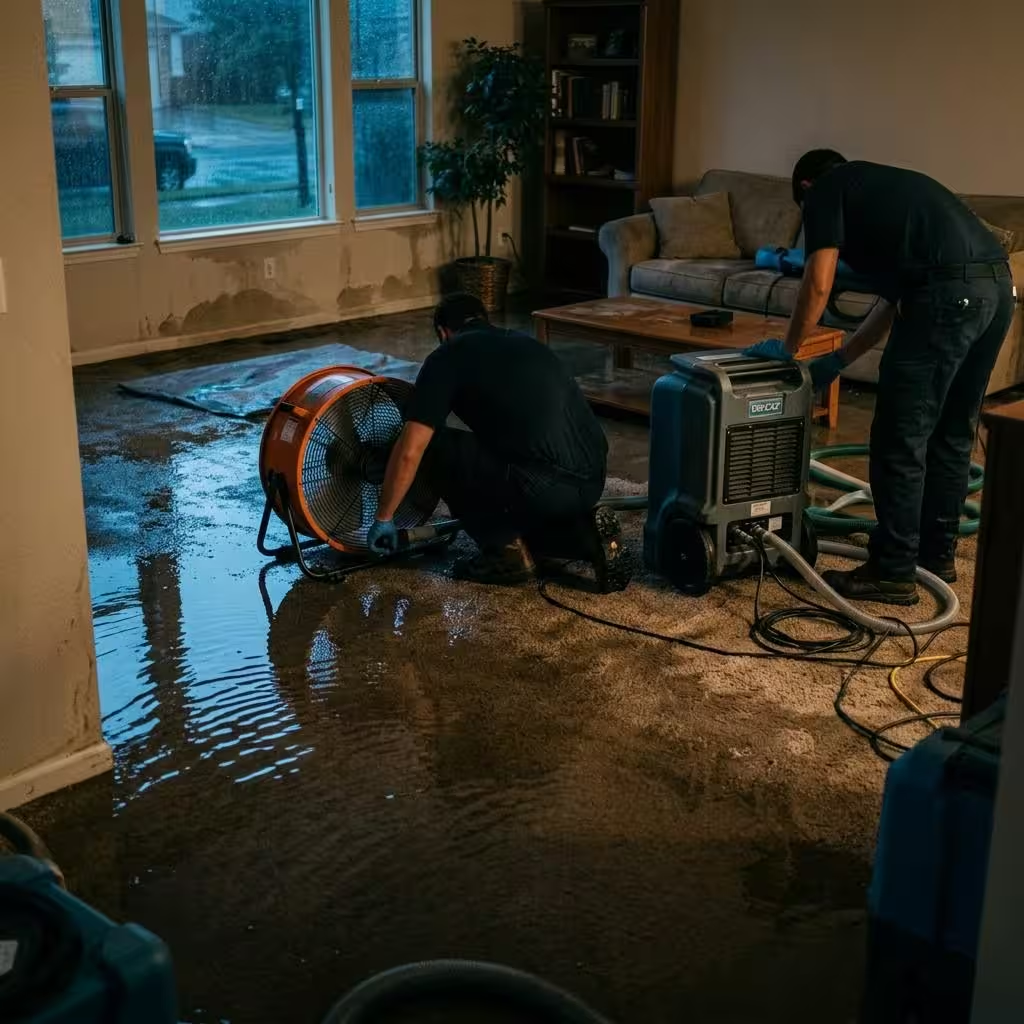
Carpet mold service
Carpet water extraction is the removal of excess liquid after a leak, overflow, or other water event. It can be an early step in responding to clean water damage, but it is not the entire drying process. Padding and the floor beneath the carpet can stay wet after much of the visible water has been removed.
Water moves into the backing, padding, and adjoining materials. A room can appear improved while still holding moisture below the carpet. EPA guidance pairs water extraction with dehumidification and appropriate airflow and specifically calls for the underlying floor to be cleaned and dried.
The source of the water changes what can be retained. Clean supply water, sewage, and outdoor floodwater should not be treated as equivalent. Do not use a household dry vacuum to collect water, and do not enter wet areas with possible electrical hazards.
Stop a leak only if it can be done safely. Explain what happened and whether the water could be contaminated.
The water category and material condition guide whether extraction supports drying or whether contaminated flooring needs removal.
Appropriate extraction equipment reduces the amount of water that subsequent drying must remove.
The pad, floor, and surrounding area are considered. Extraction is not a reason to skip moisture checks or to cover a damp floor.
Extraction removes liquid. Drying addresses moisture retained in materials and room air. Dehumidification and controlled airflow may be needed after extraction. Equipment should be selected for the actual water and mold conditions.
EPA guidance prioritizes drying wet materials within 24 to 48 hours. Its water damage table also explains that mold may occur within that period and does not always occur afterward. There is no universal deadline that proves carpet is safe to keep.
These resources explain the general principles and limitations discussed here. The scope for your property depends on its actual conditions.
Call (855) 661 4275 to describe your situation and confirm service availability for your location. Ask what is included before deciding on the next step.
Monday to Saturday, 8am to 7pm
Carpet mold situations often overlap. These services are closely connected to carpet water extraction, and each has its own page with details specific to that problem. You can also return to the full list of carpet mold removal services.
Drying of retained building materials after water removal or remediation, before flooring is replaced.
Learn about structural drying services
Removal of carpet and padding affected by sewage, with contamination control and careful disposal.
Learn about sewage-damaged carpet removal
Floodwater carpet is usually contaminated, which changes what can be kept.
Learn about flood damaged carpet remediation