

Carpet Water Extraction
Removal of excess water from suitable carpet, followed by assessment and drying of the full carpet system.
Learn about carpet water extraction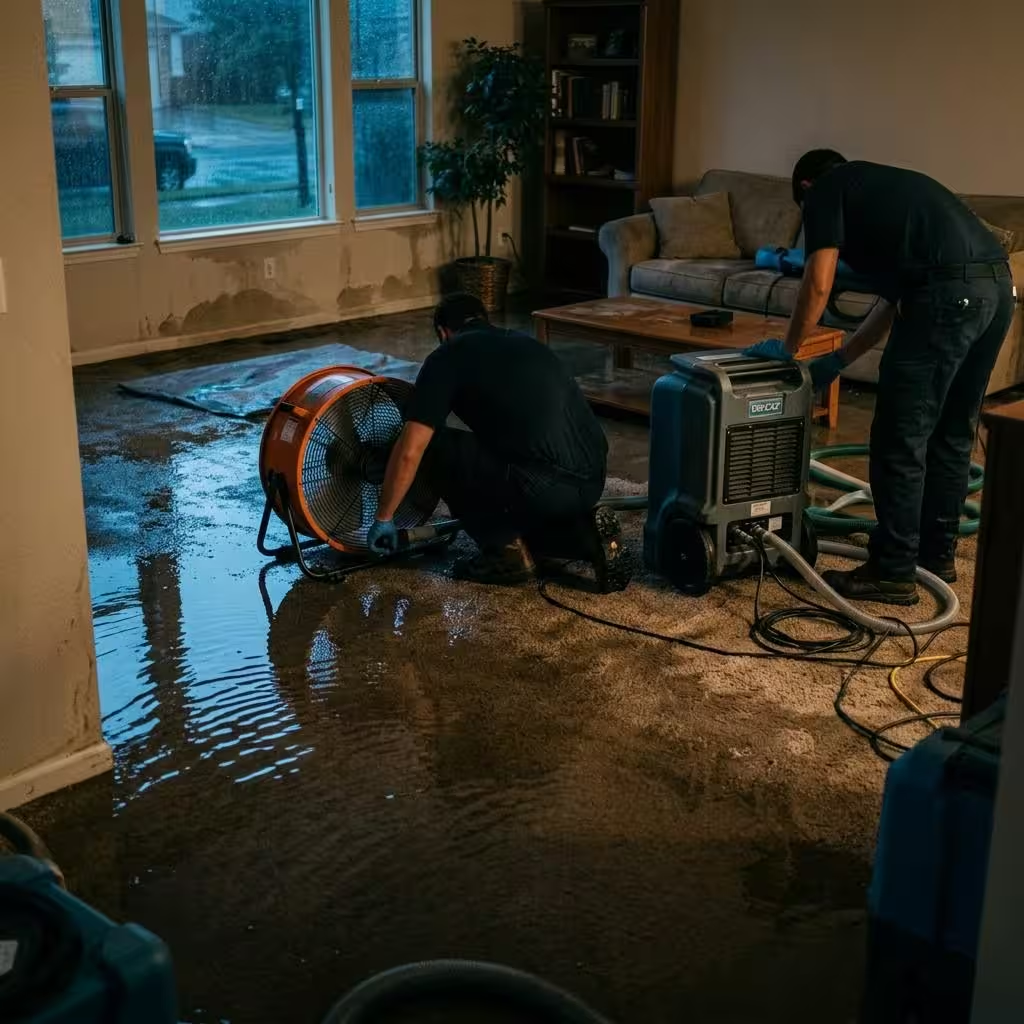
Carpet mold service
Structural drying services address moisture held in the building, not just liquid on the carpet. After extraction or removal, the subfloor, wall edges, and other retained materials may still be wet. A drying plan helps determine when those materials are ready for the next stage of restoration.
Installing new carpet and padding over a damp floor can conceal the conditions that supported mold in the first place. Wood, concrete, wall materials, and enclosed areas behave differently, so a dry looking room is not enough to establish readiness.
Drying is not a substitute for removing material that cannot be retained. Visible growth, sewage contamination, and damaged porous layers need assessment before equipment is positioned. EPA guidance cautions against using fans before determining that water is clean or sanitary.
The plan identifies wet materials, concealed spaces, and any contamination that must be addressed first.
Readings, material characteristics, and comparison with unaffected areas help guide the drying work rather than relying on touch alone.
Suitable equipment reduces retained moisture and humidity. Placement takes contamination control and building conditions into account.
Material readings and remaining concerns are reviewed before flooring covers the area again. Persistent moisture requires further investigation.
An exposed subfloor makes assessment easier, but exposure alone does not prove it is ready. Concrete, plywood, and other materials may need different drying approaches. Address the moisture source as well as the water left behind.
The water event, material thickness, access, temperature, and indoor humidity affect the work. Ask how progress will be monitored and what conditions must be met before equipment is removed or new flooring is installed.
These resources explain the general principles and limitations discussed here. The scope for your property depends on its actual conditions.
Call (855) 661 4275 to describe your situation and confirm service availability for your location. Ask what is included before deciding on the next step.
Monday to Saturday, 8am to 7pm
Carpet mold situations often overlap. These services are closely connected to structural drying services, and each has its own page with details specific to that problem. You can also return to the full list of carpet mold removal services.
Removal of excess water from suitable carpet, followed by assessment and drying of the full carpet system.
Learn about carpet water extraction
Addressing the surface beneath carpet so new flooring goes down on a sound, dry base.
Learn about subfloor mold treatment
Replacement of affected carpet underlay after removal, moisture correction, and subfloor drying.
Learn about carpet underlay replacement