

Moldy Carpet Disposal
Getting removed carpet and pad out of the building without spreading spores along the way.
Learn about moldy carpet disposal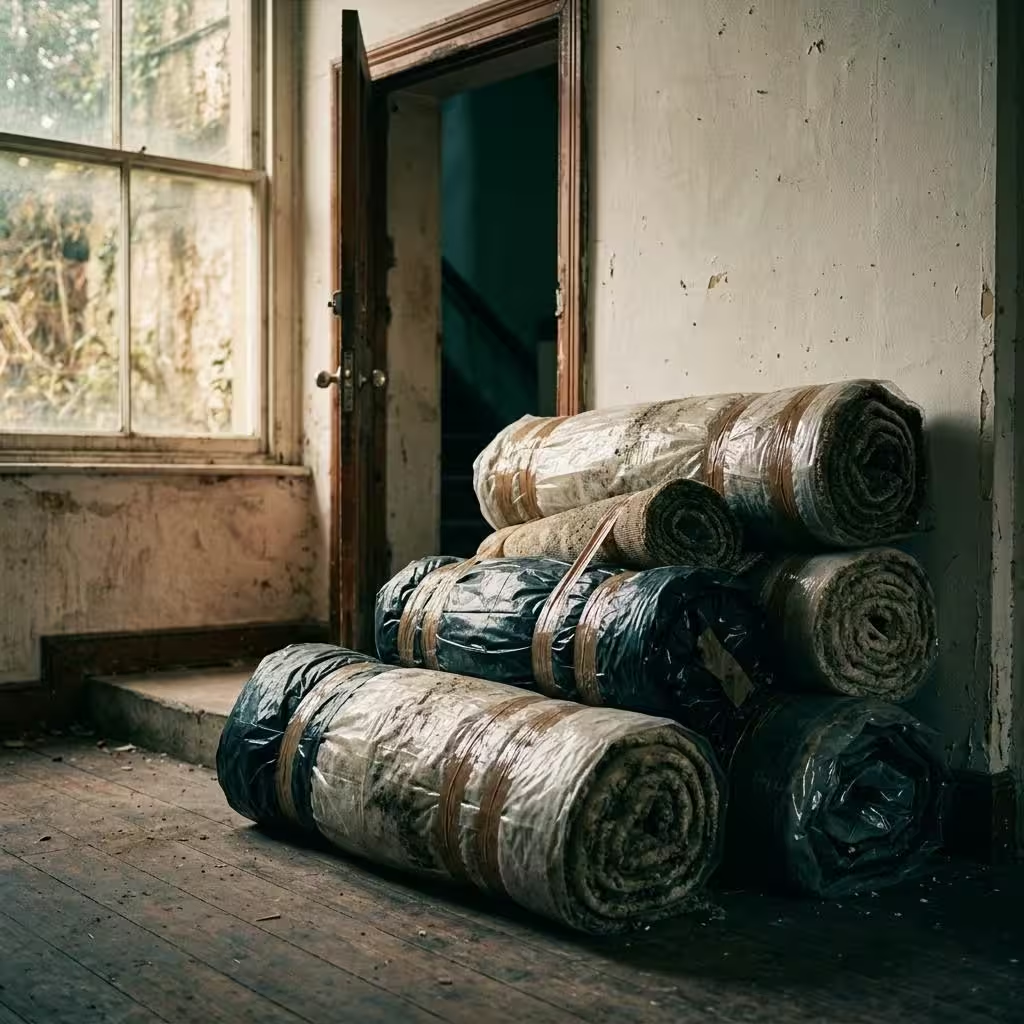
Carpet mold service
Sewage damaged carpet removal is a contamination problem, not an ordinary carpet cleaning appointment. A sewer backup or contaminated toilet overflow can affect carpet, padding, walls, and the floor underneath. EPA guidance advises seeking a professional experienced in contaminated water situations rather than applying clean water drying instructions to sewage.
Porous carpet and padding can retain contamination where surface cleaning cannot reliably reach it. A carpet that looks dry after a sewage event is not necessarily suitable to keep. Decisions must consider the source of the water and every layer it contacted.
Walking through the room, moving wet carpet through clean spaces, or running fans before the water has been assessed can spread contamination. Keep people and pets away from the affected area and avoid entering standing water where electrical hazards may be present.
Describe the backup without walking through the affected room. Resolve the sewage source through the appropriate plumbing or utility assistance.
The work plan considers where the water traveled, which porous materials were exposed, and how clean spaces will be protected.
Carpet and padding that cannot be retained are handled with appropriate protection and a controlled disposal route.
Suitable exposed surfaces are addressed before rebuilding. Replacement flooring should not conceal remaining contamination or moisture.
Extracting liquid does not resolve contamination trapped in carpet or padding. Even a recent event needs a contamination assessment. Do not assume that a fast response makes sewage exposed carpet equivalent to carpet wetted by a clean supply line.
Ask whether the work includes padding, tack strip, affected baseboards, floor cleaning, drying, and disposal. Plumbing repair and new flooring installation may be separate tasks. Clarifying these boundaries makes different proposals easier to compare.
These resources explain the general principles and limitations discussed here. The scope for your property depends on its actual conditions.
Call (855) 661 4275 to describe your situation and confirm service availability for your location. Ask what is included before deciding on the next step.
Monday to Saturday, 8am to 7pm
Carpet mold situations often overlap. These services are closely connected to sewage-damaged carpet removal, and each has its own page with details specific to that problem. You can also return to the full list of carpet mold removal services.
Getting removed carpet and pad out of the building without spreading spores along the way.
Learn about moldy carpet disposal
Floodwater carpet is usually contaminated, which changes what can be kept.
Learn about flood damaged carpet remediation
Drying of retained building materials after water removal or remediation, before flooring is replaced.
Learn about structural drying services